What Black Soldier Fly Larvae Can Teach Us About Zero Waste
At the Global Zero Waste Forum 2026 in Istanbul, Türkiye, Zero Waste Canada had the opportunity to take part in an important international conversation about organics, circular systems, and practical climate solutions.
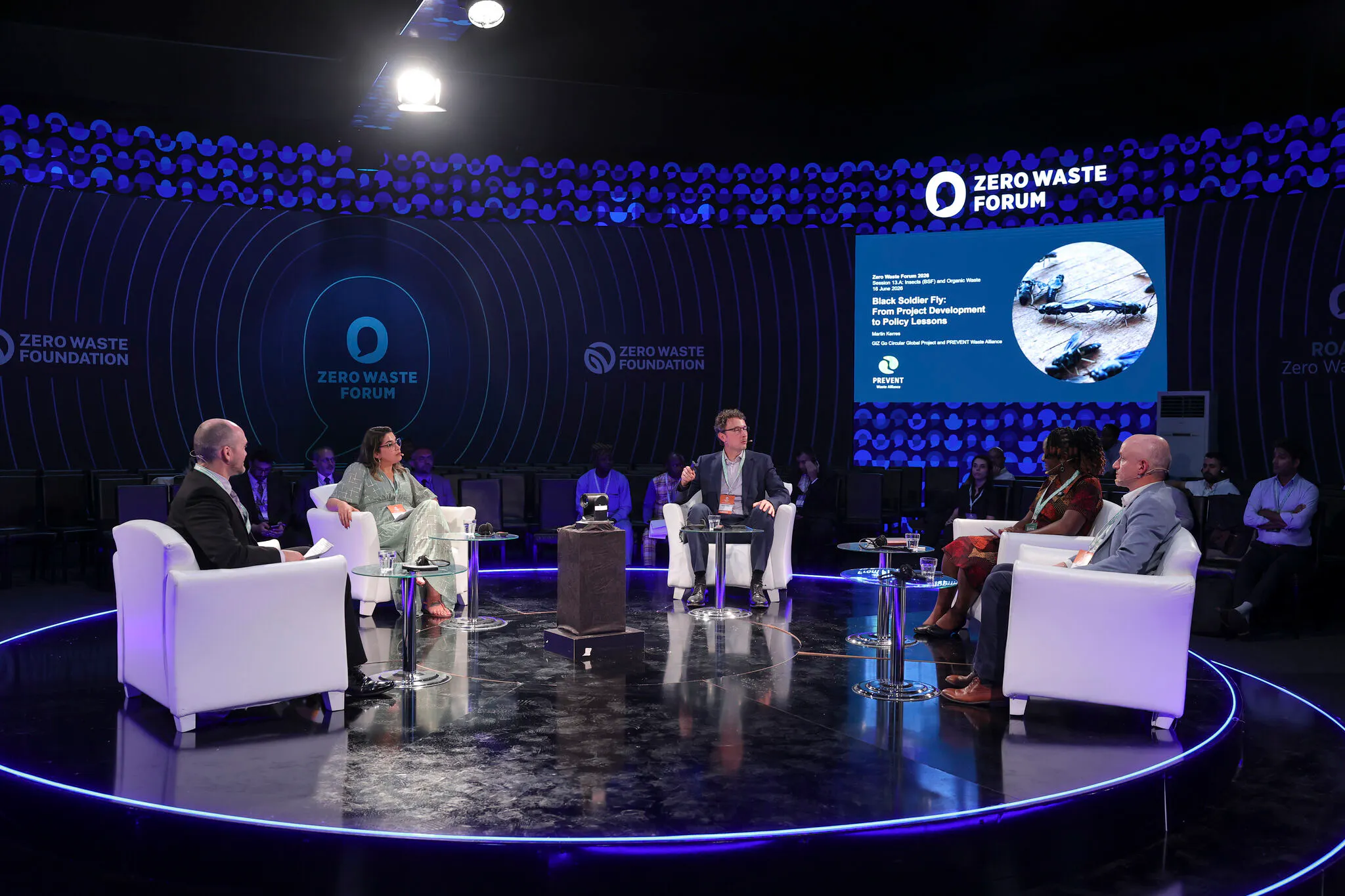
Jamie Kaminski attended the Forum on behalf of Zero Waste Canada and moderated the June 6 session, “Insects (BSF) and Organic Waste.” The session explored how black soldier fly larvae systems and other circular approaches can support organic waste management.
The conversation focused on how certain organic discards can be transformed into higher value outputs, including protein, oils, and soil improvement materials. It was one of the most practical and energizing learning moments from Zero Waste Canada’s participation at the Forum.
The panel included international experts Mariana Bonifácio Amâncio of GotoFly, Piotr Barczak of Africa Circular, and Martin Kerres of GIZ. Jamie also highlighted Esther Iminza Andiva of MaMa Doing Good as part of the discussion following the Forum.
Together, the group explored how black soldier fly larvae systems can be used in different settings, what benefits they may provide, and what questions communities and organizations should consider before adopting them.
A Forum Conversation About Practical Climate Action
The Global Zero Waste Forum 2026 took place from June 5 to 7 in Istanbul under the theme “Road to Antalya: Zero Waste as Climate Action.” The Forum brought together governments, municipalities, international organizations, development finance institutions, private sector leaders, researchers, civil society, and technical experts to explore how zero waste approaches can support climate mitigation, resilient urban development, and more resource efficient economies.
Within that larger conversation, Jamie’s panel focused on one specific question: how can suitable organic discards be managed in a way that creates value instead of waste?
Organic materials are an important part of zero waste work. When they are not managed properly, they can contribute to pollution, odour, greenhouse gas emissions, and lost economic value. When they are handled through well designed systems, they can become a resource.
The black soldier fly larvae discussion offered a practical example of how organics can be part of a circular system.
Understanding Black Soldier Fly Larvae Systems
Black soldier flies are often misunderstood because of their name. However, the larvae can play a useful role in processing certain organic materials.
In the right conditions, black soldier fly larvae can consume suitable organic discards and help convert them into useful outputs. These may include protein for animal feed applications, oils or fats that may have other product uses, and frass or castings that can support soil improvement.
The panel helped show that this is not only a technical topic. It is also a communication, education, infrastructure, safety, regulation, and community planning topic.
For many communities, the idea of using insects in organics management may be unfamiliar. That is why clear education, careful system design, and local context are so important.
What the Panel Highlighted
The discussion, moderated by Jamie, brought forward several important takeaways.
First, black soldier flies need better public understanding. Their name can sound unfamiliar or unappealing, but they can provide practical benefits when used responsibly and within appropriate systems.
Second, these systems can work at different scales. A small backyard or micro farm system may support chickens or other animals, while larger systems can process larvae into products such as animal feed ingredients, oils or fats, and soil improvement materials.
Third, suitable organic discards can become a source of value. Instead of treating these materials only as waste, black soldier fly larvae systems can help create outputs that support food systems, agriculture, soil health, and circular economy development.
The conversation also addressed concerns that may prevent communities from adopting these systems, including education, appropriate feedstocks, safety, local regulations, system design, and how to match an approach to the needs of a specific community.
Why This Matters for Zero Waste Canada
For Zero Waste Canada, the panel connected directly to broader zero waste principles.
Zero waste is not only about keeping materials out of landfill or disposal. It is about designing better systems, reducing waste at the source, recovering value where appropriate, and supporting healthier communities.
Black soldier fly larvae systems are not a one size fits all solution. However, they offer an important example of how biological processes can support circular approaches to organics when they are thoughtfully planned and responsibly managed.
The conversation also reinforced the need to stay open to emerging solutions. As communities and organizations look for better ways to manage organics, reduce emissions, and recover value, learning from international examples can help strengthen local decision making.
Bringing the Learning Back to Canada
Moderating this panel was a meaningful part of Jamie’s participation at the Global Zero Waste Forum 2026 and a strong example of Zero Waste Canada’s role in global knowledge exchange.
The session showed how much can be learned when technical experts, practitioners, and zero waste leaders come together to discuss practical solutions.
The key takeaway is clear: global learning helps strengthen local action. By listening to international experts, sharing Canadian perspectives, and staying engaged in practical zero waste conversations, we can continue supporting solutions that are thoughtful, adaptable, and effective.